Dry Eye
Dry Eye Syndrome
Comprehensive Guide to Causes, Symptoms, Diagnosis, and Treatment Options
Introduction to Dry Eye Syndrome
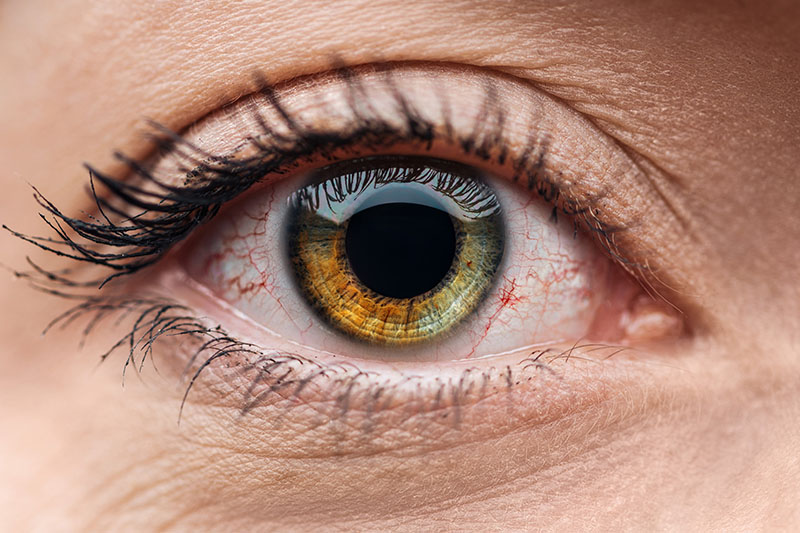
Dry eye syndrome, also known as dry eye disease or keratoconjunctivitis sicca, is a common ocular condition affecting millions of people worldwide. It occurs when your eyes don’t produce enough tears or when the tears evaporate too quickly, leading to an unstable tear film that fails to adequately lubricate and protect the eye’s surface. This can result in discomfort, visual disturbances, and potential damage to the cornea over time. According to medical experts, more than 16 million adults in the United States alone suffer from dry eyes, with prevalence increasing with age, particularly among those over 50. Women are often more often affected due to hormonal changes, such as those during menopause, which can reduce tear production and alter tear quality.
At The Scleral Lens Center, we specialize in advanced solutions for managing dry eye, including custom-fitted scleral lenses that provide long-lasting relief for even severe cases. Dry eye isn’t just an annoyance—it can significantly impact daily activities like reading, driving, using digital screens, or simply being outdoors in windy conditions. Understanding the underlying causes and available treatments is crucial for effective management. In this comprehensive guide, we’ll explore the intricacies of dry eye syndrome, from its root causes to innovative therapies, helping you take control of your eye health.
What Causes Dry Eye Syndrome?
Dry eye syndrome arises from a variety of factors that disrupt the delicate balance of the tear film, which consists of three layers: the oily outer layer (produced by meibomian glands), the watery middle layer (from lacrimal glands), and the mucous inner layer (from goblet cells). When any of these components are compromised, symptoms emerge.
Environmental and Lifestyle Factors

Environmental triggers play a significant role in dry eye development. Low humidity, air conditioning, heating systems, wind, smoke, and dust can accelerate tear evaporation. Prolonged screen time—common in today’s digital age—reduces blink rates, leading to faster tear loss. Studies show that people blink up to 60% less when staring at screens, exacerbating dryness. Additionally, activities like swimming in chlorinated pools or exposure to allergens can irritate the ocular surface.
Medical Conditions and Systemic Issues
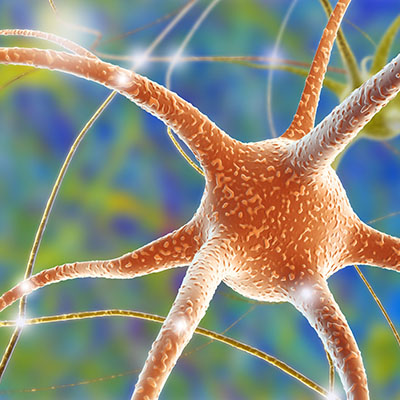
Certain health conditions are strongly linked to dry eye. Autoimmune diseases, such as Sjogren’s syndrome, rheumatoid arthritis, and lupus, cause inflammation that impairs tear glands. Diabetes, thyroid disorders, and vitamin A deficiency can also contribute by affecting nerve function or gland performance. Post-menopausal women often experience hormonal shifts that thin the tear film, making dryness more prevalent. Furthermore, conditions like blepharitis (eyelid inflammation) and meibomian gland dysfunction (MGD) block oil production, leading to evaporative dry eye, which accounts for about 90% of cases.
Medications and Treatments
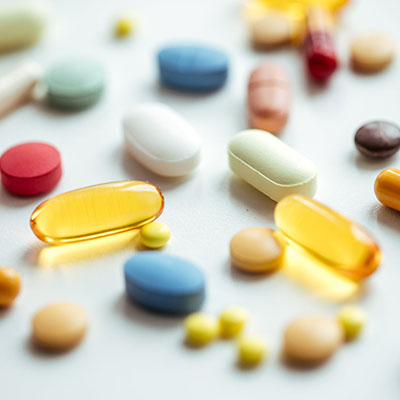
Many prescription and over-the-counter medications list dry eye as a side effect. Antihistamines, decongestants, antidepressants, blood pressure medications, and acne treatments like isotretinoin can reduce tear production. Cancer treatments, including chemotherapy and radiation, may damage tear glands. Even contact lens wear, if not managed properly, can worsen symptoms by altering the tear film—though specialized options like scleral lenses mitigate this issue.
Aging and Other Risk Factors

As we age, tear production naturally declines, with symptoms often starting around age 40. Smoking, poor diet, and lack of sleep further increase risk. Refractive surgeries like LASIK can temporarily disrupt corneal nerves, leading to transient dry eye in some patients.
By identifying these causes, individuals can adopt preventive measures, but for persistent cases, professional intervention is essential.
Recognizing the Symptoms of Dry Eye
Symptoms of dry eye can vary in severity but typically involve discomfort and visual impairment. Common signs include:
- Burning or Stinging Sensation: A persistent feeling of heat or irritation in the eyes.
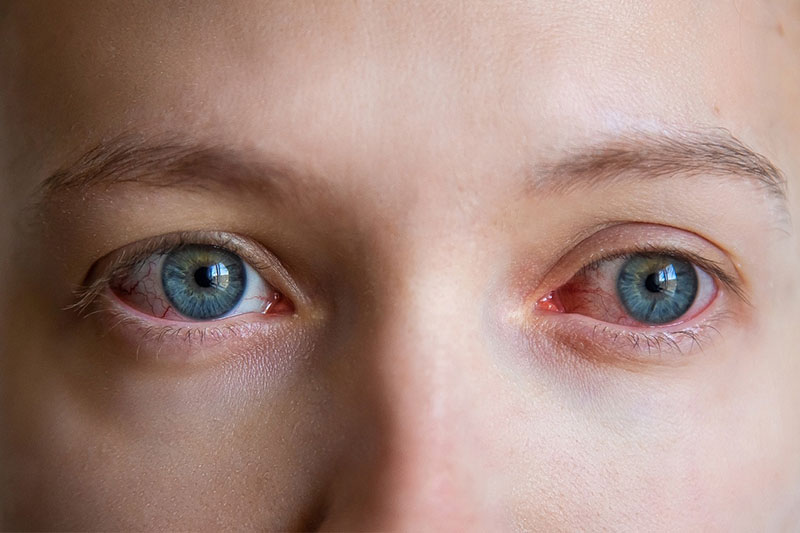
- Itchiness and Redness: Eyes may appear bloodshot and feel scratchy, especially in dry environments.
- Gritty or Foreign Body Sensation: As if sand or debris is trapped under the eyelids.
- Watery Eyes: Paradoxically, excessive tearing can occur as the eyes overcompensate for dryness.
- Blurred Vision: Fluctuating clarity, particularly after prolonged focus.
- Light Sensitivity (Photophobia): Discomfort in bright lights or outdoors.
- Eye Fatigue: Tiredness after reading or screen use.
- Mucous Discharge: Stringy secretions around the eyes.
In severe cases, untreated dry eye can lead to corneal abrasions, ulcers, or scarring, potentially causing permanent vision loss. If symptoms persist, consult an eye care specialist promptly.
How Is Dry Eye Diagnosed?
Diagnosis begins with a comprehensive eye exam. Your optometrist will review your medical history, symptoms, and lifestyle factors. Key tests include:
- Tear Break-Up Time (TBUT): Measures how quickly tears evaporate using dye.
- Schirmer’s Test: Assesses tear production with paper strips under the eyelids.
- Ocular Surface Staining: Fluorescein or lissamine green dyes highlight damaged areas.
- Meibomian Gland Evaluation: Checks for blockages using imaging.
- Tear Osmolarity Test: Detects elevated salt levels in tears, indicating instability.
The Scleral Lens Center, we use state-of-the-art tools to tailor treatments to your specific dry eye type—aqueous deficient (low tear volume) or evaporative (poor tear quality).
Effective Treatments for Dry Eye Syndrome
Treatment is stepwise, starting with conservative measures and progressing to advanced options for refractory cases.
Lifestyle Modifications and Home Remedies

Begin with simple changes: Use a humidifier, take screen breaks (20-20-20 rule), wear wraparound sunglasses outdoors, and maintain eyelid hygiene with warm compresses and gentle cleansers to unblock glands.
Avoid smoking and ensure a healthy diet.
Over-the-Counter and Prescription Eye Drops
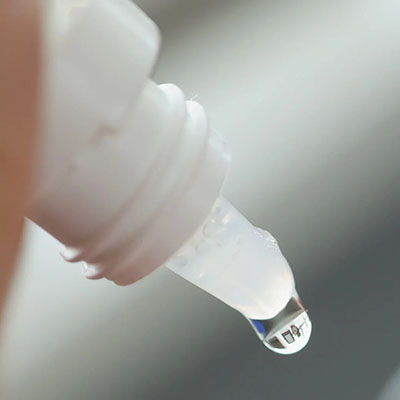
Artificial tears provide immediate relief; preservative-free versions are best for frequent use.
For inflammation, prescription drops like cyclosporine (Restasis) or lifitegrast (Xiidra) reduce symptoms by modulating the immune response. Steroid drops may be used short-term for flares.
In-Office Procedures
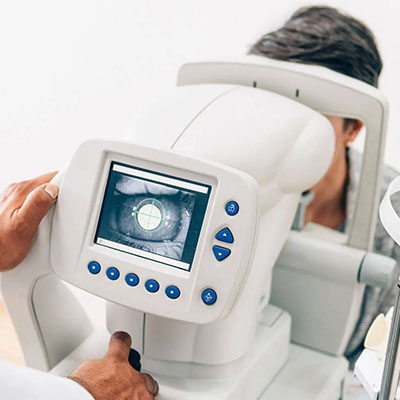
Punctal plugs block tear drainage to retain moisture. Intense Pulsed Light (IPL) therapy or LipiFlow treats MGD by melting blockages. Amniotic membrane grafts promote healing in severe cases.
Scleral Lenses: A Revolutionary Solution for Dry Eye
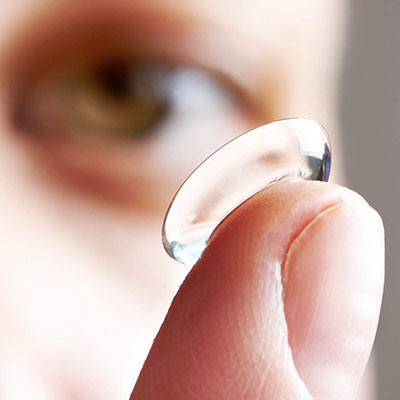
For moderate to severe dry eye unresponsive to other treatments, scleral lenses offer transformative relief. These large-diameter, rigid gas-permeable lenses vault over the cornea, resting on the sclera (white part of the eye). Before insertion, they’re filled with preservative-free saline, creating a fluid reservoir that bathes the eye continuously, preventing evaporation and shielding from irritants like wind and dust.
Benefits include:
- Constant Hydration: The saline layer mimics natural tears, reducing burning and irritation.
- Protection from Environment: Blocks allergens and debris, ideal for outdoor activities.
- Improved Vision: Corrects irregularities caused by dryness, providing sharper sight than traditional contacts.
- Comfort: Unlike soft lenses, they don’t dehydrate, making them suitable for all-day use.
- Reduced Inflammation: Minimizes friction from blinking on a dry surface.
Research shows scleral lenses significantly improve symptoms in dry eye patients, with many reporting decreased pain, redness, and itchiness. At The Scleral Lens Center, Dr. DeNaeyer custom-fits these lenses using advanced mapping technology for optimal comfort and efficacy. They’re particularly effective for conditions like post-LASIK dryness or autoimmune-related dry eye.
Conclusion: Taking Charge of Your Dry Eye Health

At The Scleral Lens Center, we’re committed to helping you achieve comfortable, clear vision.
If you’re experiencing symptoms, schedule a consultation today—don’t let dry eye dim your quality of life.