Ocular Surface Disease
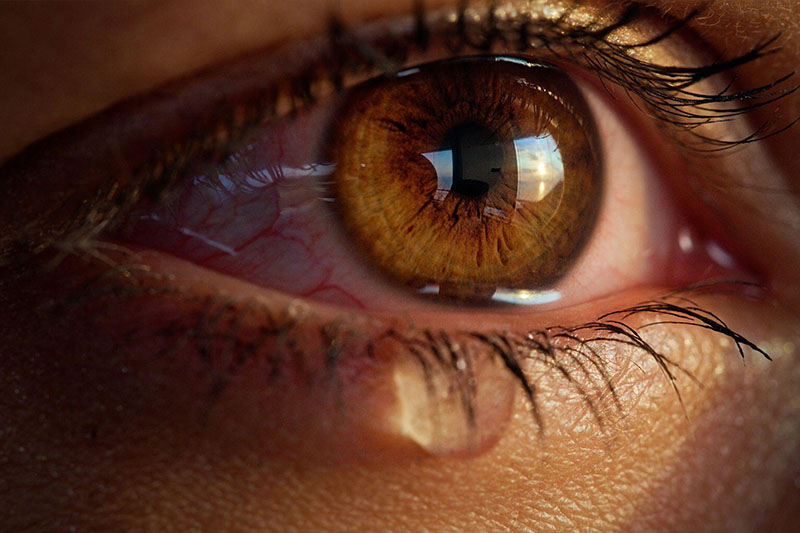
Introduction to Ocular Surface Disease
Ocular surface disease (OSD) encompasses a group of conditions affecting the cornea, conjunctiva, and tear film—the protective outer layers of the eye. These disorders disrupt the delicate balance of the ocular surface, leading to inflammation, damage, and discomfort. OSD includes dry eye disease (DED), meibomian gland dysfunction (MGD), blepharitis, ocular rosacea, exposure keratopathy, neurotrophic keratitis, and severe forms like Stevens-Johnson syndrome, graft-versus-host disease (GVHD), or limbal stem cell deficiency.
Dry eye, the most common form of OSD, affects millions globally. In the United States alone, estimates suggest at least 16 million diagnosed cases, with undiagnosed or subclinical cases potentially reaching 30–49 million. Prevalence varies widely (5–50% depending on population and criteria), often higher in older adults, women, screen users, and those with systemic conditions. Recent reports highlight increasing rates due to digital device use, environmental factors, aging populations, and post-pandemic effects.
At The Scleral Lens Center in Central Ohio, led by internationally recognized expert Dr. Greg DeNaeyer, we specialize in advanced OSD management with custom scleral lenses. Dr. DeNaeyer, with extensive experience in specialty contact lenses, has lectured globally and published on scleral lens applications for irregular corneas and ocular surface conditions, including therapeutic fitting for OSD. His expertise ensures tailored solutions that protect the surface, hydrate the eye, and improve vision and comfort.
OSD can range from mild irritation to debilitating pain and vision loss if unmanaged. Early, comprehensive care is key to restoring ocular health.
Causes and Risk Factors of Ocular Surface Disease
OSD arises from multiple factors disrupting tear film homeostasis, epithelial integrity, or ocular protection:
- Tear Film Instability: Aqueous deficiency (low tear volume), evaporative loss (poor meibomian gland oil), or mucin issues.
- Inflammation and Damage: Chronic inflammation from allergies, infections, or autoimmune diseases (e.g., Sjögren’s syndrome, rheumatoid arthritis).
- Meibomian Gland Dysfunction (MGD): Blocked glands leading to poor tear quality (common in rosacea or blepharitis).
- Environmental and Lifestyle: Low humidity, air conditioning, prolonged screen time (reduced blinking), wind, dust, or pollutants.
- Systemic Conditions: Diabetes, thyroid disorders, GVHD, Stevens-Johnson syndrome, or medications (antihistamines, antidepressants).
- Aging and Hormonal Changes: Reduced tear production post-menopause.
- Trauma or Iatrogenic: Chemical burns, radiation, glaucoma drops, or post-surgical complications.
Risk factors include female gender, age over 50, contact lens wear, and high screen exposure.
Common Symptoms of Ocular Surface Disease
Symptoms vary by type but often overlap:
- Dryness, Grittiness, or Foreign Body Sensation: Feeling like sand in the eyes.
- Burning, Stinging, or Pain: Persistent discomfort.
- Redness and Irritation: Inflamed appearance.
- Watery or Excessive Tearing: Reflex tearing from irritation.
- Blurred or Fluctuating Vision: Unstable tear film.
- Light Sensitivity (Photophobia): Uncomfortable in outdoor lightening.
- Itching or Discharge: Especially in allergic or infectious cases.
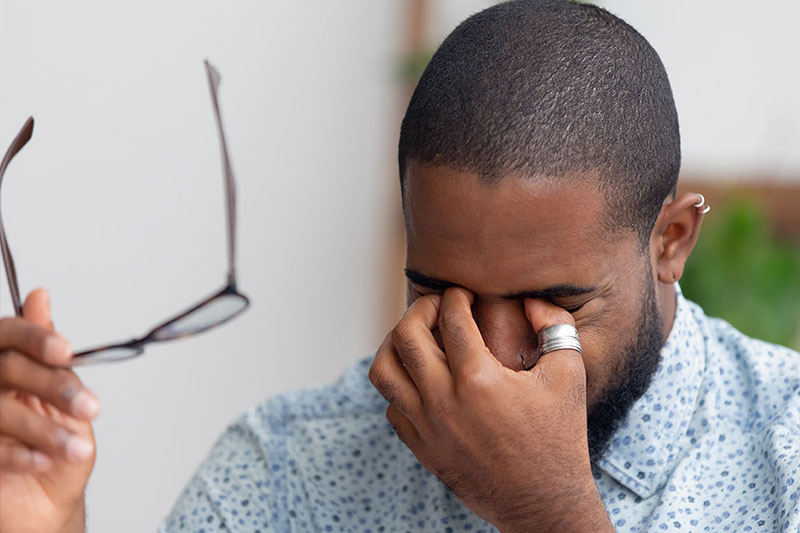
- Eye Fatigue: Worsens with reading or screens.
Severe OSD can lead to corneal ulcers, scarring, or vision impairment.
Diagnosing Ocular Surface Disease
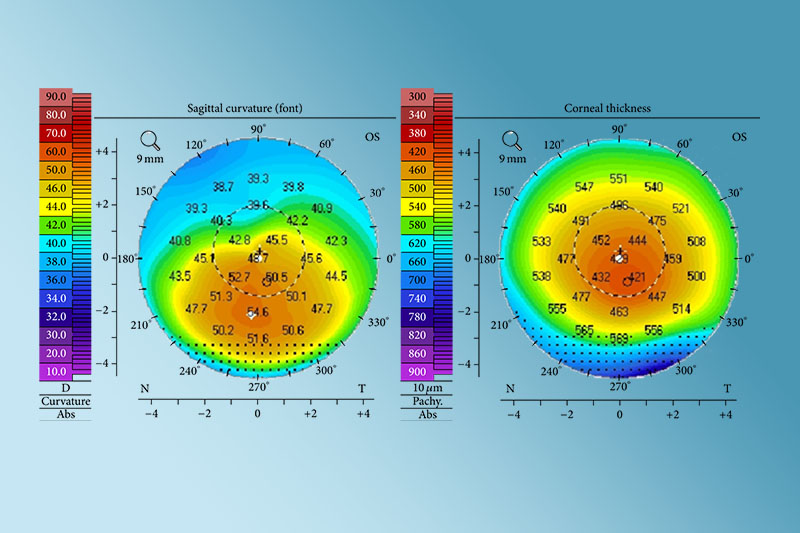
Diagnosis combines history, exam, and tests:
- Symptom Questionnaires: OSDI (Ocular Surface Disease Index) or DEQ-5.
- Tear Break-Up Time (TBUT): Assesses tear stability.
- Schirmer’s Test or Tear Volume Measurement: Quantifies production.
- Ocular Surface Staining: Fluorescein/lissamine green highlights damage.
- Meibomian Gland Evaluation: Imaging for dysfunction.
- Tear Osmolarity: Detects hyperosmolarity.
- Inflammation Markers: MMP-9 or other tests.
- Advanced Imaging: OCT for epithelial thickness.
Treatment and Management of Ocular Surface Disease
Treatment is stepwise, from conservative to advanced:
Conservative and Medical Therapies
- Artificial Tears and Lubricants: Preservative-free for frequent use.
- Anti-Inflammatory Drops: Cyclosporine (Restasis), lifitegrast (Xiidra), or short-term steroids.
- Eyelid Hygiene: Warm compresses, lid scrubs for MGD/blepharitis.
- Punctal Plugs: Retain tears.
- IPL or LipiFlow: For MGD.
- Autologous Serum Drops: For severe cases.
Scleral Lenses: A Powerful Therapeutic Option for Moderate to Severe OSD
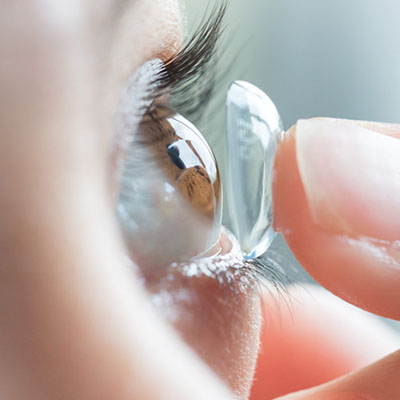
Scleral lenses vault over the cornea, resting on the sclera and creating a saline-filled reservoir that:
- Provides continuous hydration and lubrication.
- Protects from environmental irritants, wind, and debris.
- Shields the surface from lid friction or trichiasis.
- Improves epithelial healing and reduces inflammation.
- Corrects vision if irregularity is present.
Key Benefits:
- Symptom Relief: Significant reductions in dryness, pain, photophobia, and OSDI scores.
- Surface Protection: Promotes healing in conditions like GVHD, Stevens-Johnson, neurotrophic keratitis, or persistent defects.
- High Success: Studies show 85–97% improvement in symptoms and quality of life; well-tolerated with minimal complications.
- Long-Term Use: Effective for chronic OSD where other treatments fail.
Dr. Greg DeNaeyer is a leader in therapeutic scleral lens fitting for OSD, leveraging his research on scleral shape, topography, and troubleshooting to achieve optimal vault, hydration, and comfort—even in complex cases.
Advanced Interventions
- Amniotic Membrane Grafts: For persistent defects.
- Surgical Options: Tarsorrhaphy or salivary gland transplant (rare).
Living with Ocular Surface Disease
- Use humidifiers and blink exercises.
- Limit screen time with 20-20-20 rule.
- Manage systemic conditions.
- Follow lens care rigorously if prescribed.
Support groups and regular follow-up aid long-term management.
Frequently Asked Questions About Ocular Surface Disease
What is the difference between dry eye and OSD?
Dry eye is the most common OSD subtype; OSD includes broader surface issues like inflammation or scarring.
Can scleral lenses cure OSD?
They manage symptoms effectively and promote healing but addressing underlying causes with other therapies is important.
Are scleral lenses safe for long-term OSD use?
Yes—studies show sustained benefits with low complication rates when properly fitted.
How do I know if scleral lenses are right for me?
Consult a specialist for evaluation; ideal for moderate-severe cases unresponsive to drops or other initial therapies.
Does OSD worsen with age?
Often yes—tear production declines, but proactive care helps.
Conclusion: Restore Comfort and Clarity with Specialized Care
Ocular surface disease can be challenging, but modern treatments like scleral lenses offer profound relief and protection. At The Scleral Lens Center, Dr. Greg DeNaeyer’s global expertise in therapeutic lens designs ensures customized solutions that hydrate, shield, and heal the ocular surface—often transforming lives.
If you’re struggling with persistent dryness, pain, or OSD symptoms, schedule a consultation today. Discover how advanced scleral lens therapy can bring lasting comfort and clearer vision.