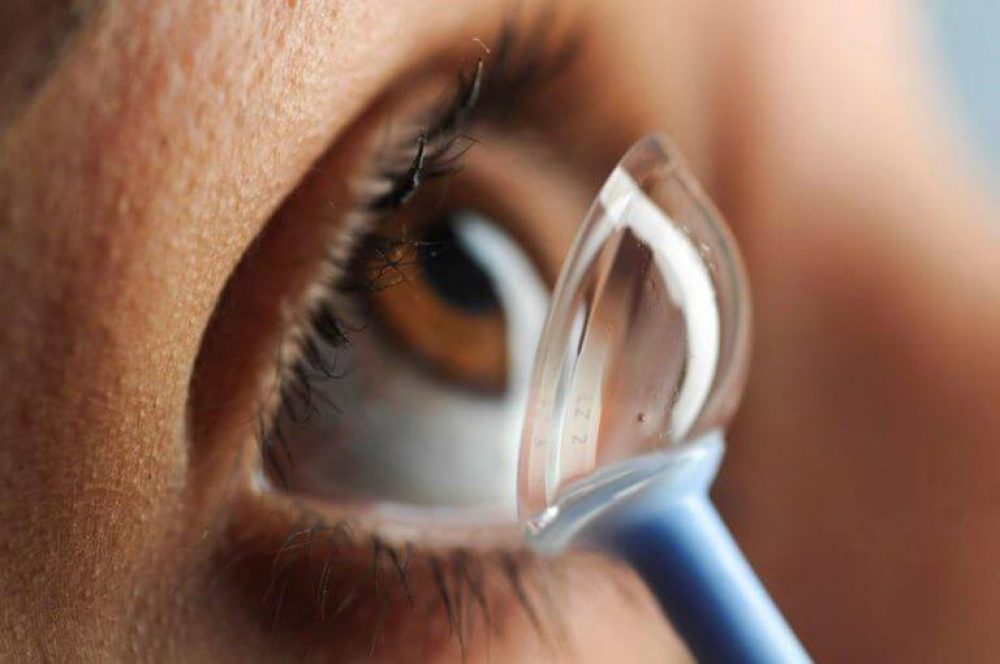
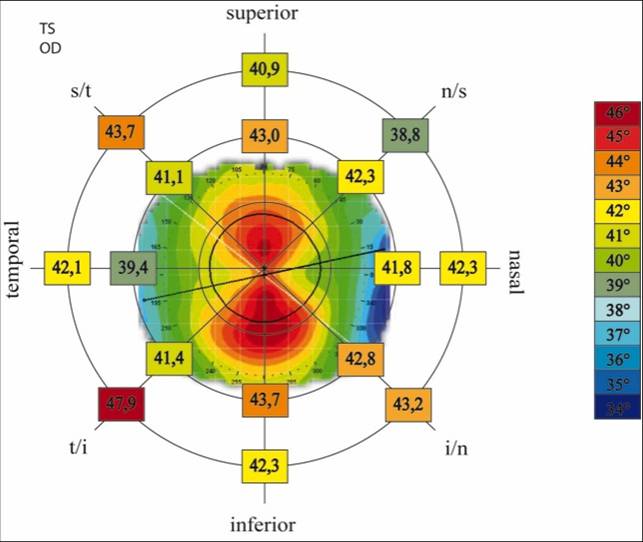
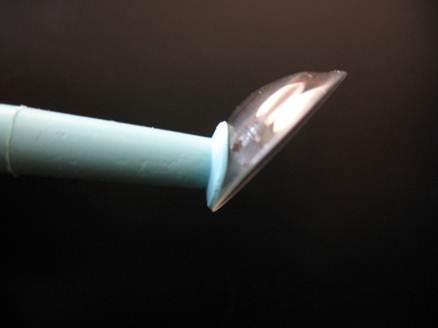
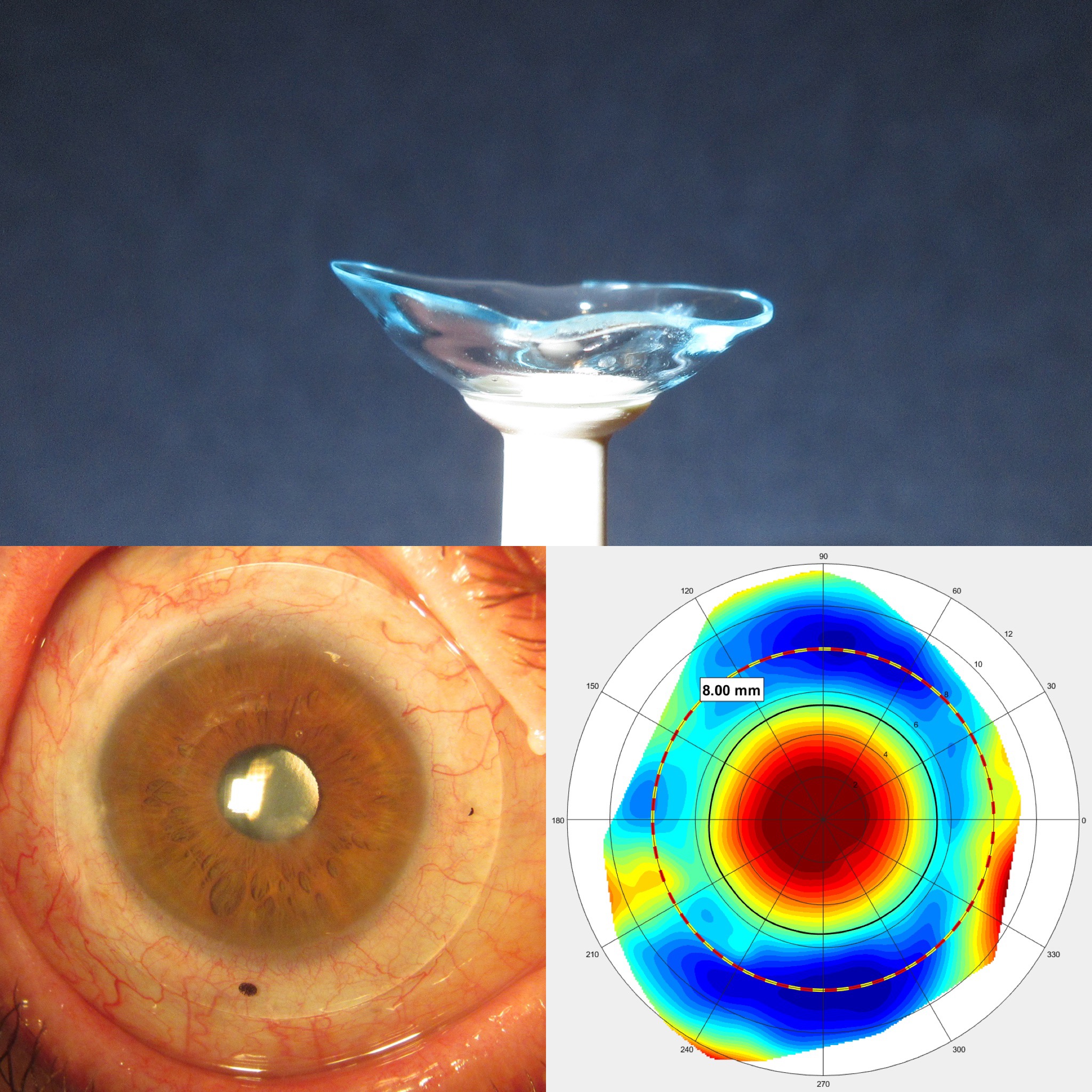
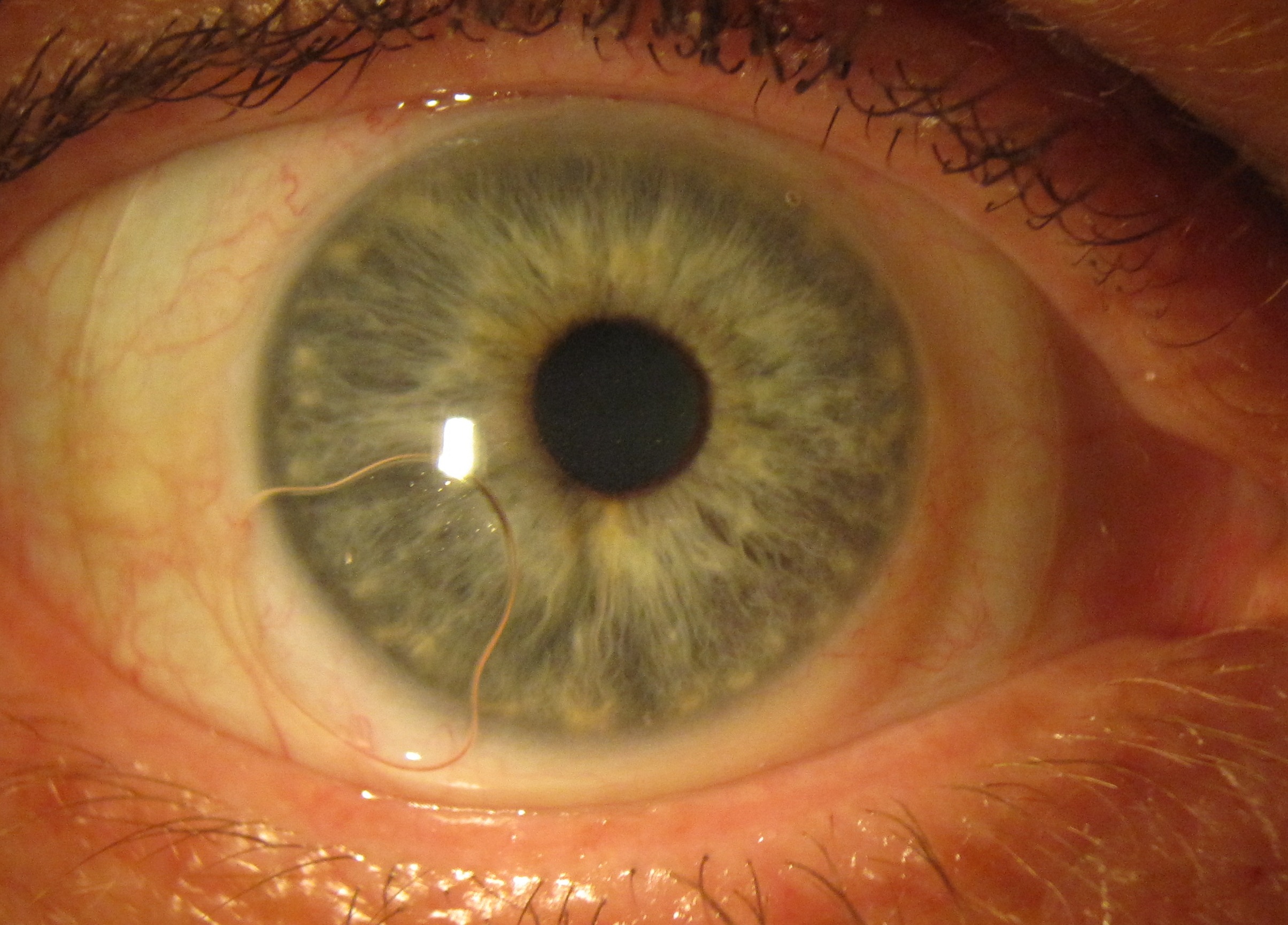
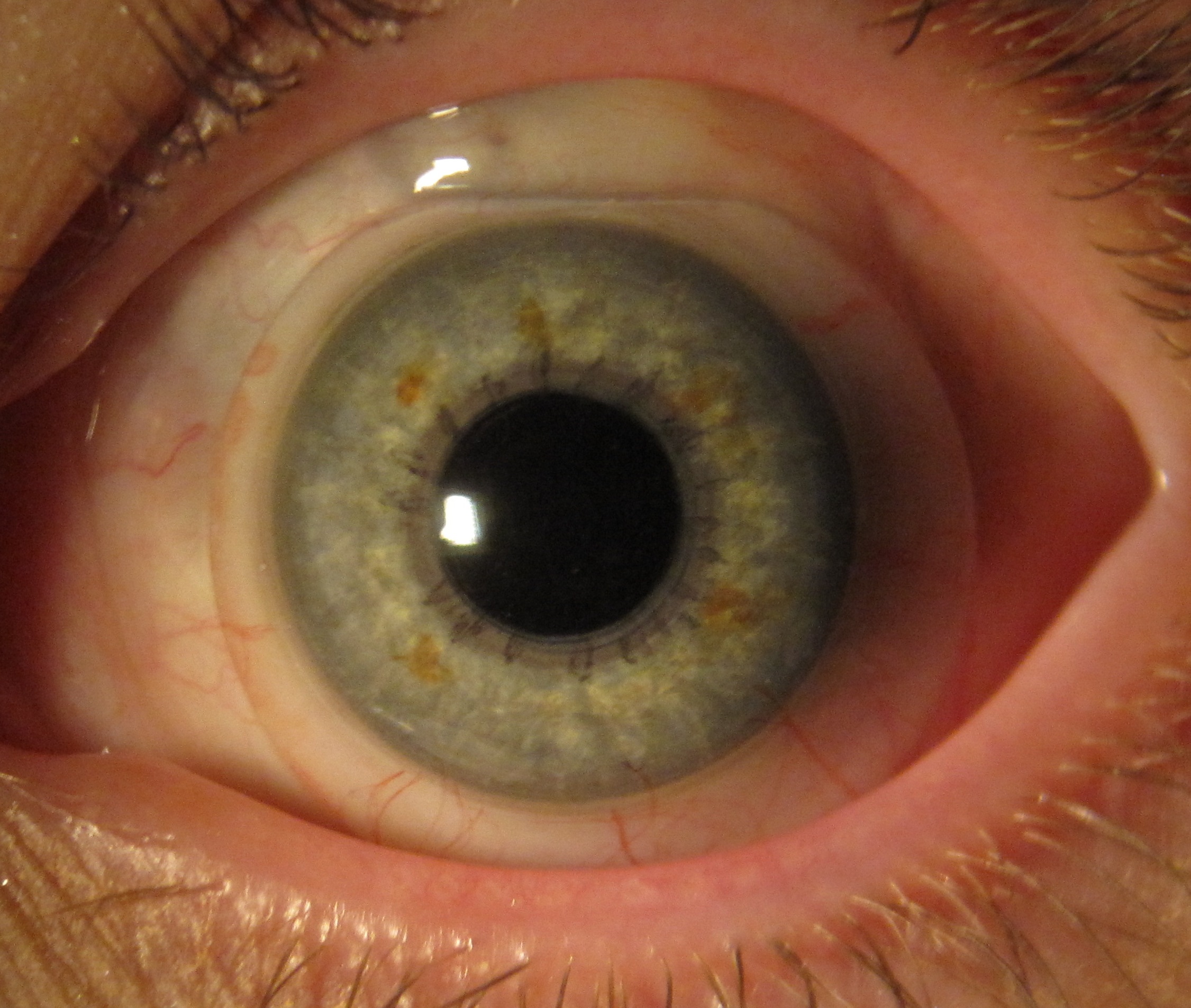
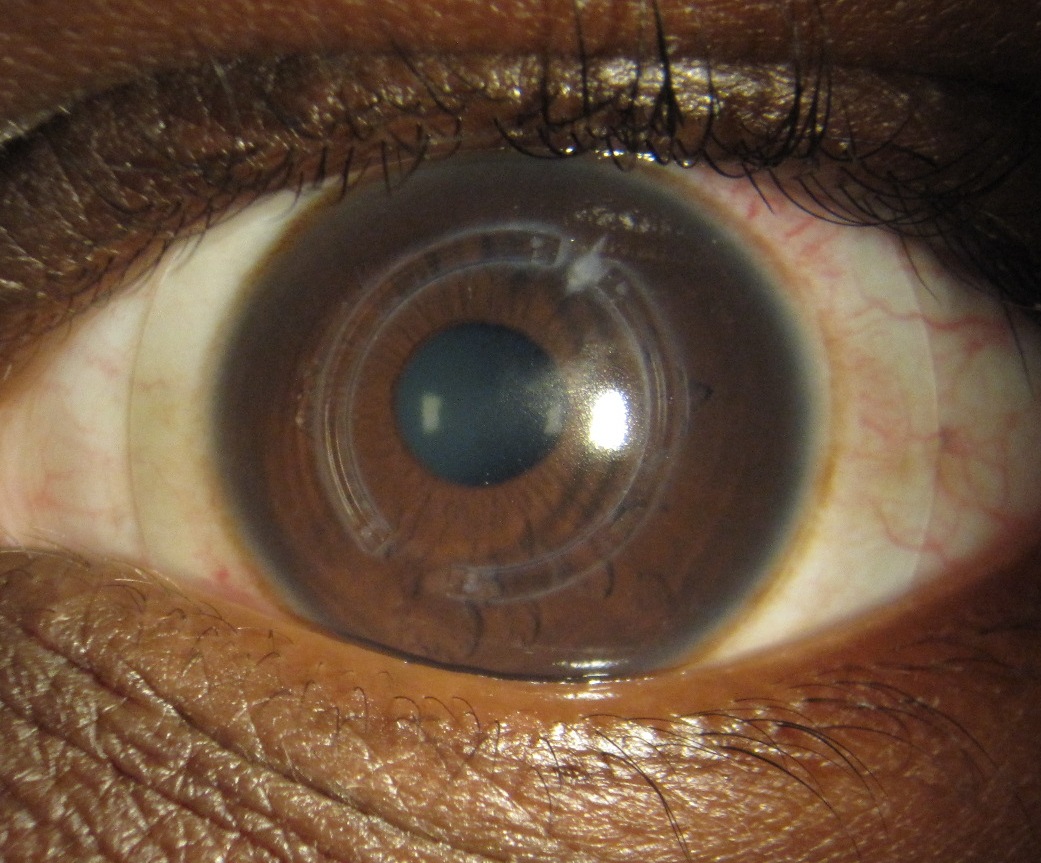
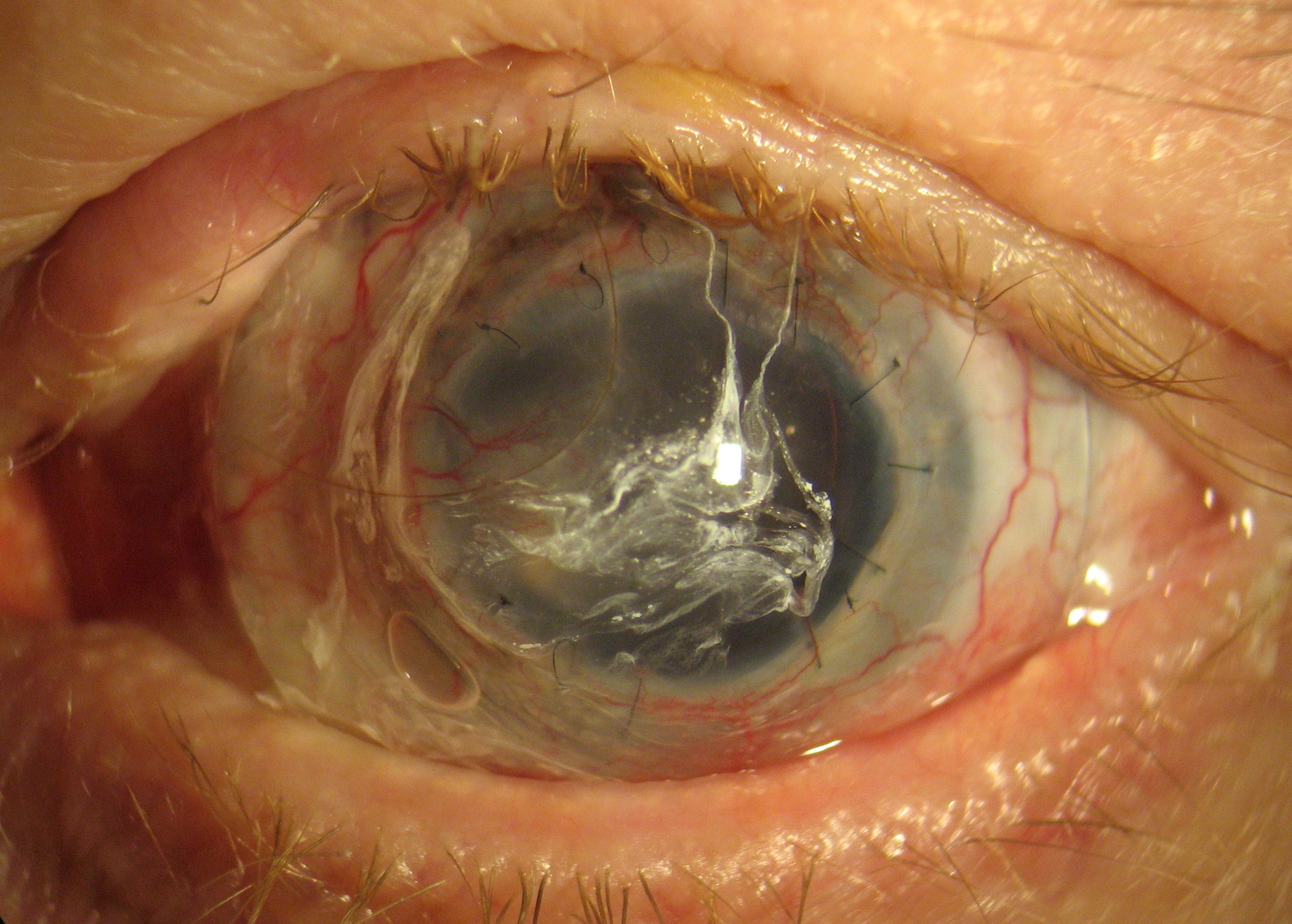
A few of our patients that have severe ocular surface disease (OSD), such as ocular Graft Versus Host Disease, may produce mucus that can interfere with scleral contact lens wear. These patients can use ophthalmic 10% Mucomyst 1-2 times daily, which will significantly reduce or eliminate this troublesome complication.
Mucus
August 30th, 2010Debris
August 2nd, 2010
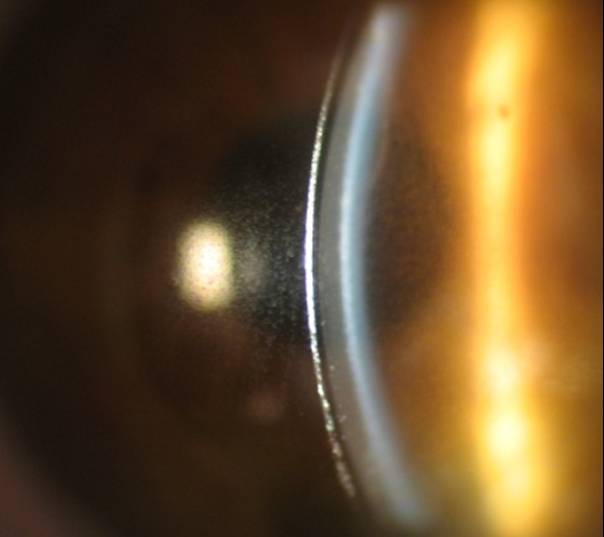
One unfortunate side effect of wearing scleral contact lenses that are larger than 18mm is the accumulation of debris underneath the lens after 4-5 hours of wear that causes a patient’s vision to become cloudy. This does not affect everyone, but according to a study done by Visser, et al. about 50%of patients will have to remove their len(s) midday in order rinse and refill them. The picture on the left is a cross-section of the liquid reservoir on a patient’s eye that has a significant build up of debris. The picture on the right shows the lens after being rinsed and reapplied with fresh solution. For most patients that have this problem this is a insignificant issue that they easily deal with in order to gain all the benefits that scleral lenses provide. Using a more viscous artificial tear drop to fill the lenses before insertion may slow this process down.
Scleral Contact Lenses & the Conjunctiva
July 6th, 2010Modern Scleral Contact Lens Fitting
June 7th, 2010Therapeutic Applications of Contact Lenses
May 5th, 2010March 5th, 2010
The Scleral Lens Education Society has been launched.
The Scleral Lens Education Society (SLS) is an international association for vision care professionals who develop and/or fit scleral contact lenses. It is a non-profit organization committed to teaching contact lens practitioners the science and art of fitting all designs of scleral contact lenses for the purpose of managing corneal irregularity and ocular surface disease. SLS supports public education that highlights the benefits and availability of scleral contact lenses. Eyecare professionals who register (free) on the SLS’s Web site (www.sclerallens.org) will have the opportunity to take advantage of numerous educational resources and to participate in an online forum to present cases or to ask questions. SLS also presents workshops that are listed on the Web site’s homepage. For questions, please contact Greg DeNaeyer, OD, FAAO, at gdenaeyer@arenaeyesurgeons.com.
Global Specialty Lens Symposium 2010
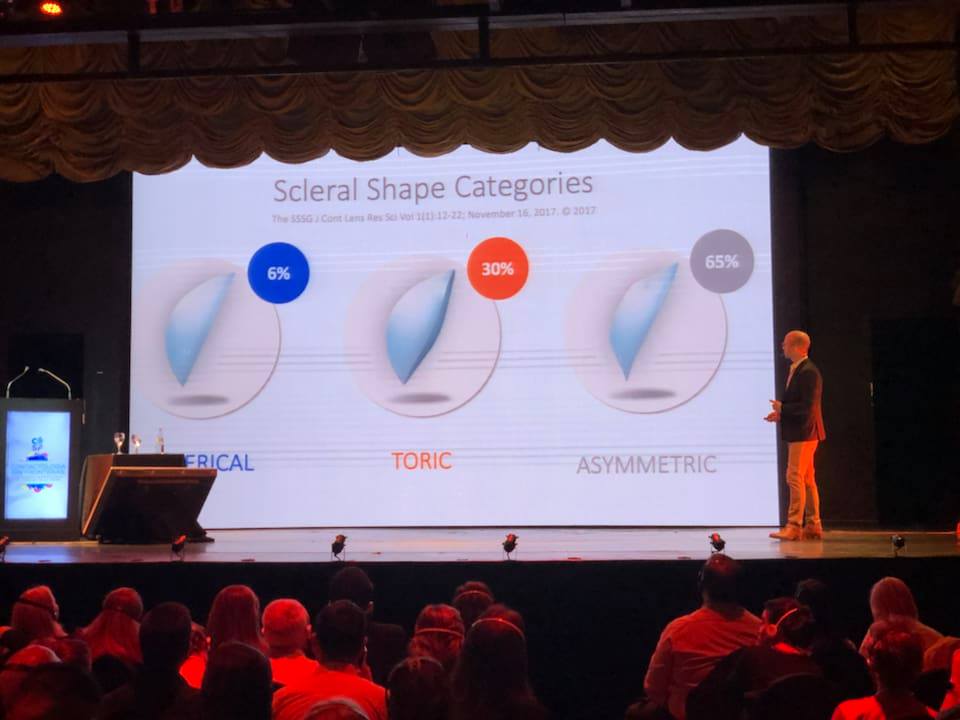
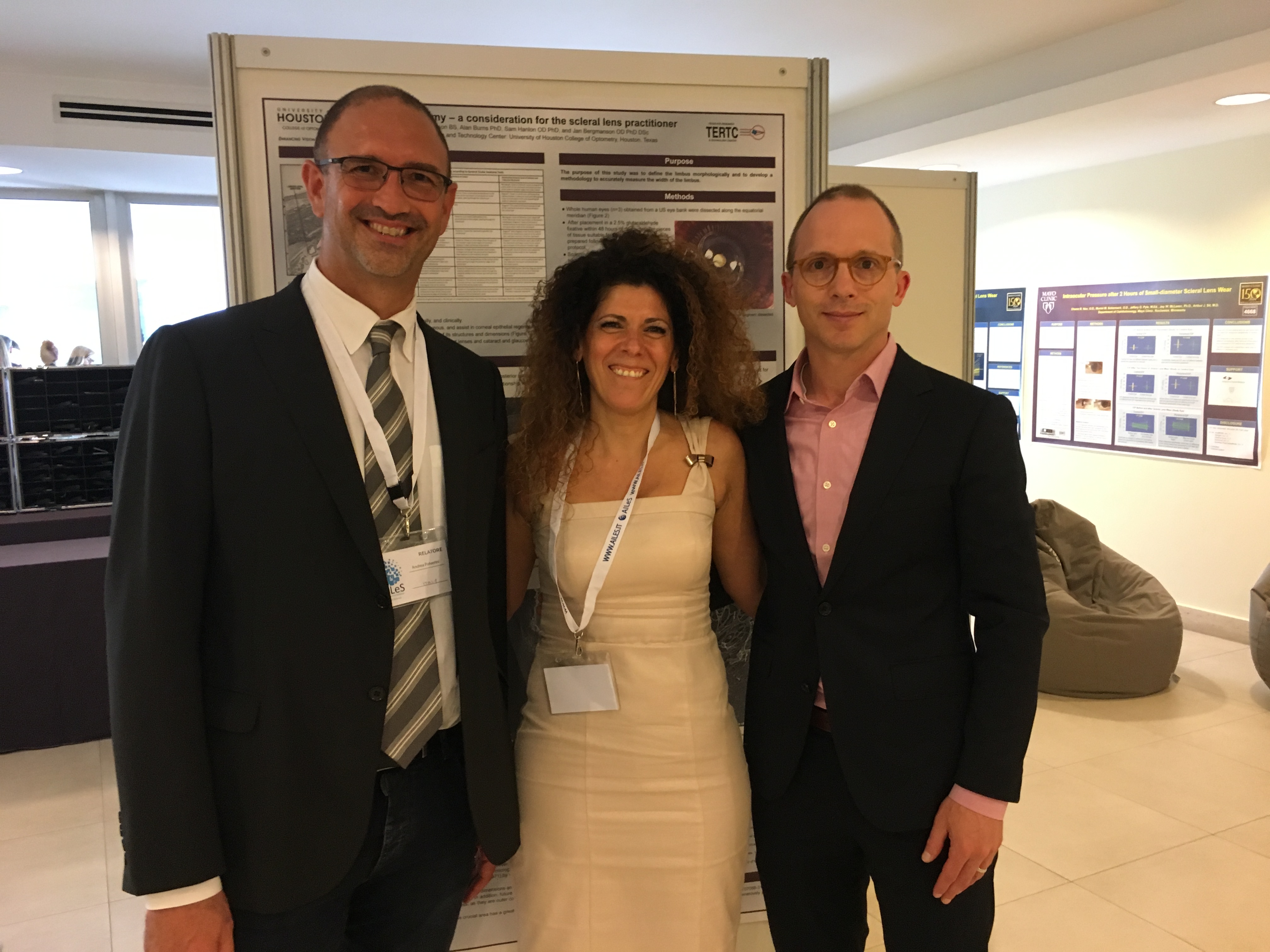
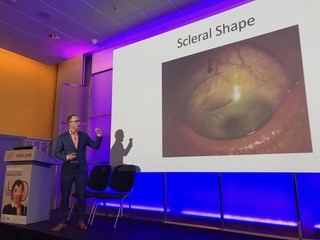
February 3rd, 2010I just back from the 2010 Global Specialty Lens Symposium that was attended by over 350 contact lens specialist from over 20 countries. A significant portion of the conference was devoted to scleral contact lens fitting. I gave a lecture: Troubleshooting complications of scleral lenses used for ectasia. Dr. Christine Sindt, from the University of Iowa, and I conducted a scleral contact lens fitting workshop. One of the major topics of discussion was the future development of instrumentation that will allow us to more acurately measure the sclera, which may change the way we fit scleral contact lenses.
Greg DeNaeyer, OD, FAAO
Dominican Republic Trip
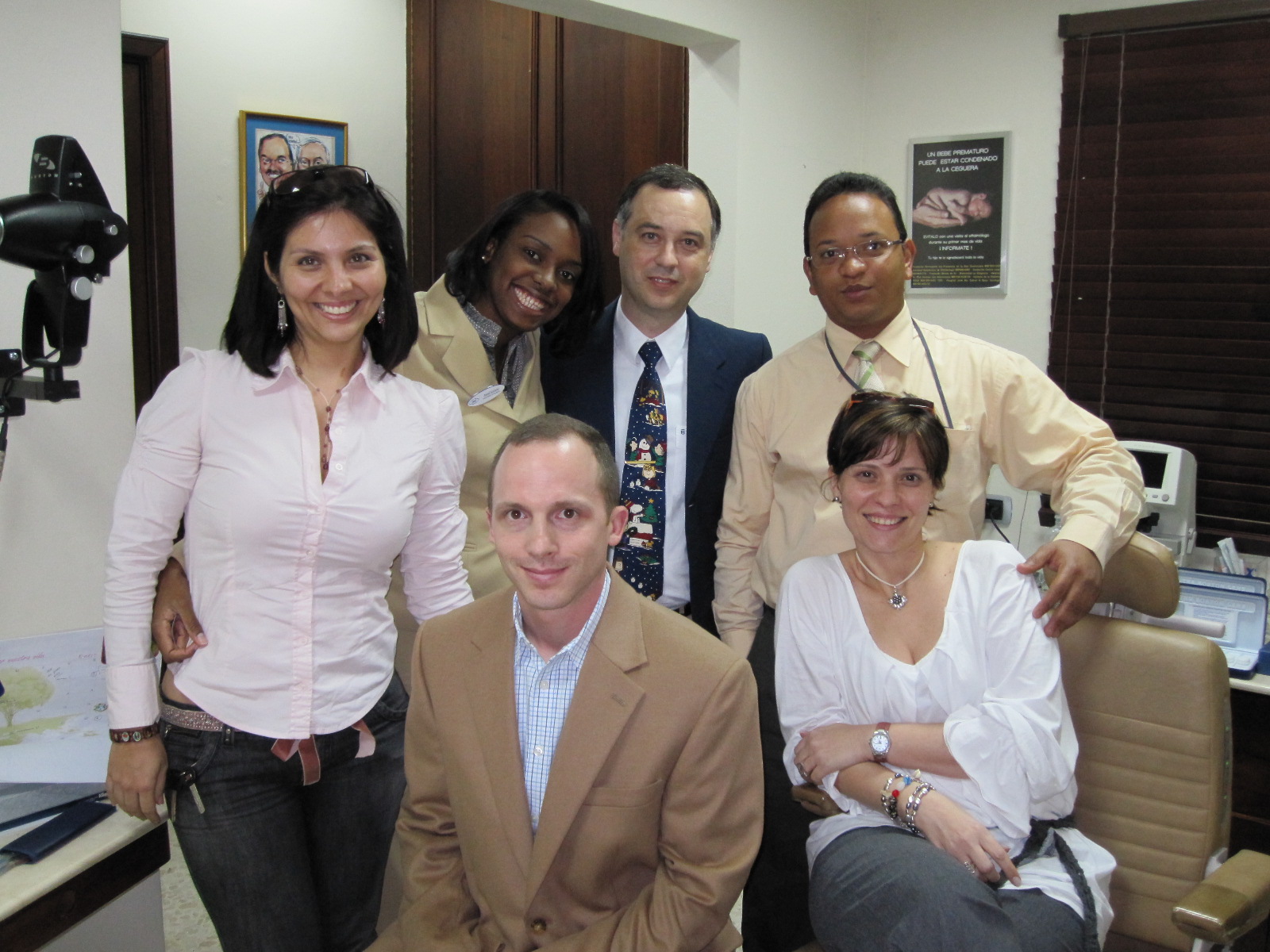
December 18th, 2009Dr. Don Sanders of Medlens Innovations and I had the opportunity this month to visit the Laser Center of Santo Domingo (http://www.centrolaser.net/) and teach a workshop on scleral contact lens fitting. We were able to successfully fit many patients. They have excellent doctors and staff who are now trained and equipped to help patients with scleral contact lenses.
Scleral Contact Lenses and Ocular GVHD
November 10th, 2009Below is an abstract about the use of managing chronic ocular graft versus host disease (GVHD) using scleral contact lenses.
Eye Contact Lens. 2008 Nov;34(6):302-5.
Jupiter scleral lenses in the management of chronic graft versus host disease.
Schornack MM, Baratz KH, Patel SV, Maguire LJ.
Department of Ophthalmology, Mayo Clinic, Rochester, MN 55905, USA. schornack.muriel@mayo.edu
OBJECTIVES: To describe the use of the Jupiter scleral contact lens (Medlens Innovations, Front Royal, VA or Essilor Contact Lens, Inc., Dallas, TX) in the management of ocular manifestations of chronic graft versus host disease (cGVHD). METHODS: This study is a retrospective case series. Five consecutive patients with severe keratoconjunctivitis sicca (KCS) associated with cGVHD that could not be adequately managed with conventional therapy were evaluated for scleral contact lens wear between January and December 2007. All patients were evaluated with lenses from the standard 18.2 mm Jupiter B diagnostic fitting set. If lenses of standard design failed to provide adequate fit, custom lenses were designed. Three outcome measures were evaluated: the patient’s ability to tolerate and successfully handle the lenses, improvement in symptoms of KCS, and improvement in visual acuity. RESULTS: All 5 patients (10 eyes) were successfully fit with Jupiter scleral lenses. Six eyes of 3 patients were successfully fit with lenses of standard design. Standard parameters were altered to achieve adequate fit in 4 eyes of 2 patients. All patients reported subjective improvements in comfort with Jupiter scleral lenses, and best-corrected vision improved in 7 of the 10 eyes fit within the first several months of contact lens wear. The remaining 3 eyes maintained the visual acuity measured before scleral lens wear (20/20 in 2 eyes, 20/40 in 1 eye). Duration of follow-up ranged from 4 to 14 months. CONCLUSIONS: Jupiter scleral lenses can relieve symptoms of KCS and may improve vision in patients with cGVHD.
Piggybacking Scleral Lenses
October 16th, 2009Although a properly fit scleral contact lens should fully vault the entire corneal surface, there are some severe cases that make this difficult to achieve. If there is touch of the lens to the cornea without bearing and the patient has no signs or symptoms of problems, than no other action is needed and the fit is considered acceptable. However, if this touch should cause the patient irritation and refitting is not an option, then a soft contact lens can be worn underneath the scleral lens to act as a cushion between the scleral lens and the cornea. The scleral lens is piggybacked onto the soft contact lens. One worry with wearing two lenses is that this combination will decrease the oxygen supply to the cornea, which can cause complications. However, modern gas-permeable scleral lenses and soft silicone hydrogel contact lenses are hyperpermeable and this is rarely a problem. A fluorescein photo shows a piggybacked scleral lens.