-
Application/Removal and Care of Scleral Lenses Video
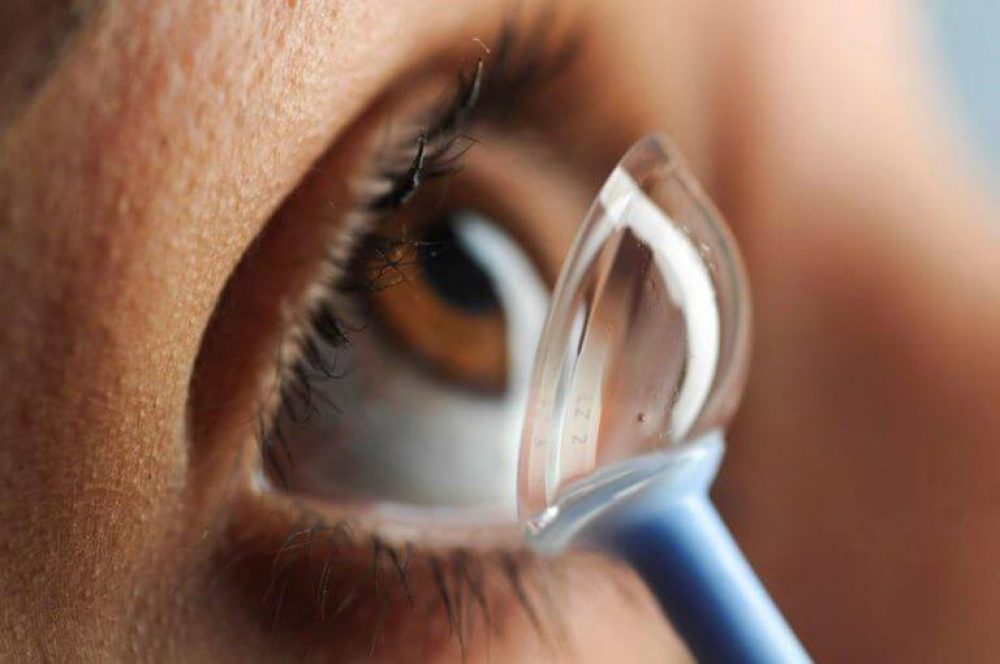
The Scleral Lens Education Society, in partnership with B+L, has put together a comprehensive video on the application/removal and care of scleral lenses.
-
Specialty soft lenses for keratoconus
Improvements in specialty lens designs have made this contact lens modality a viable option for patients who have mild to moderate keratoconus. Generally, these soft lenses have center thickness 4X greater than standard soft lenses, which allows them to mask surface irregularity caused by keratoconus. When necessary, they can be manufactured using silicone hydrogel material that increase oxygen to the corneal surface. Specialty soft lenses for keratoconus can be a successful alternative when standard GP designs fail secondary to comfort issues.
-
2012 GSLS
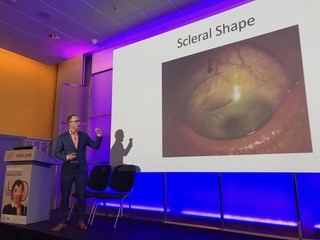
The 2012 Global Specialty Lens Symposium was held in Las Vegas from January 26-29th. Over 450 contact lens practitioners from all over the world participated in this year’s meeting, and scleral lenses were a popular topic. I was honored to have been selected to present two lectures, one of which included information about managing post-operative corneal irregularity with scleral lenses.
-
Scleral Lens Size
Scleral Lenses can range in diameter from 12.5mm to 25mm. I generally use scleral lenses that are 18mm for most cases of corneal irregularity or ocular surface disease.
-
Prosthetic Scleral Lens
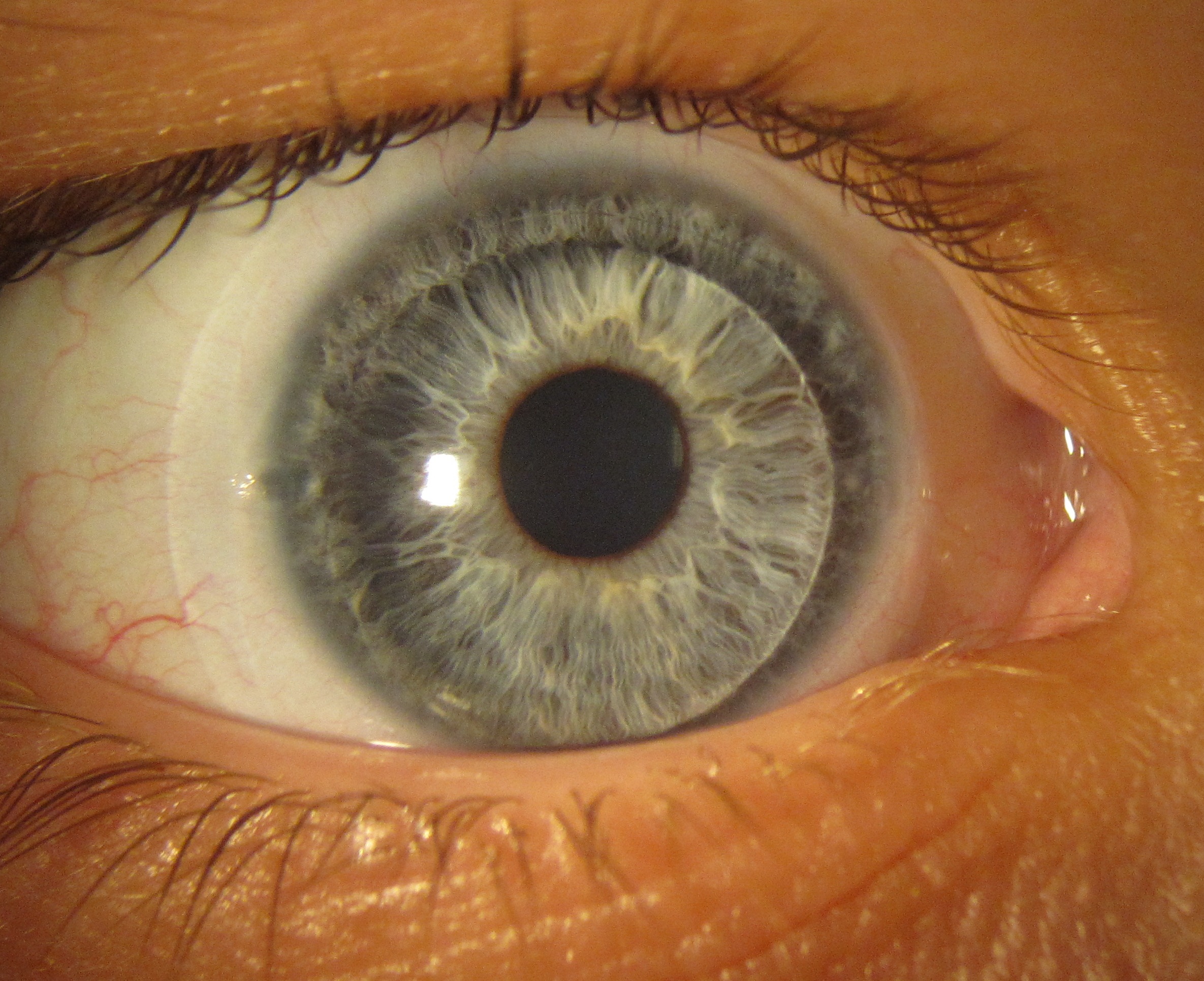
Scleral lenses can be used for cosmetic restoration in cases of severe anterior segment scarring.
-
Bubbles
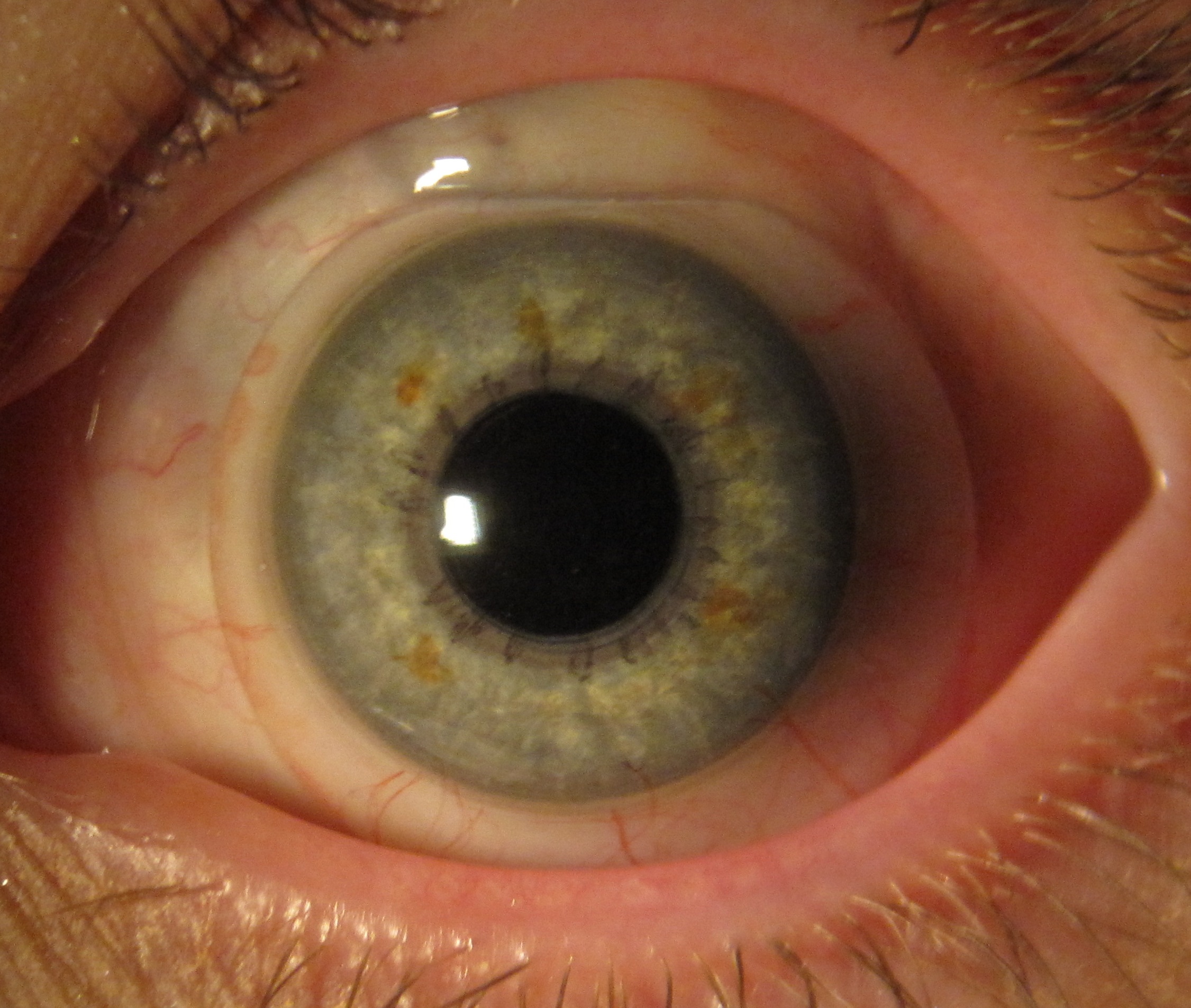
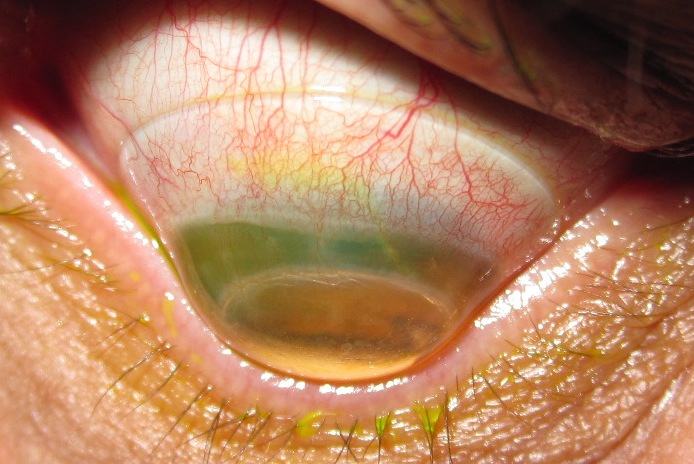
Scleral lenses hold a liquid reservoir and ideally should be without air bubbles when properly fit and applied. If excessive saline is spilled from the lens during application or the lens is first positioned off center, then air bubbles may be present. Small to medium bubbles will not affect vision, fit, or comfort. However, if the lens does not feel comfortable and/or the vision is disrupted, then the lens will have to be reapplied. The photograph shows an air bubble secondary to application error that is not affecting vision or comfort.
You May Also Like

SSSG- Qualtitative Shape
sMap3D Corneo-Scleral Topographer
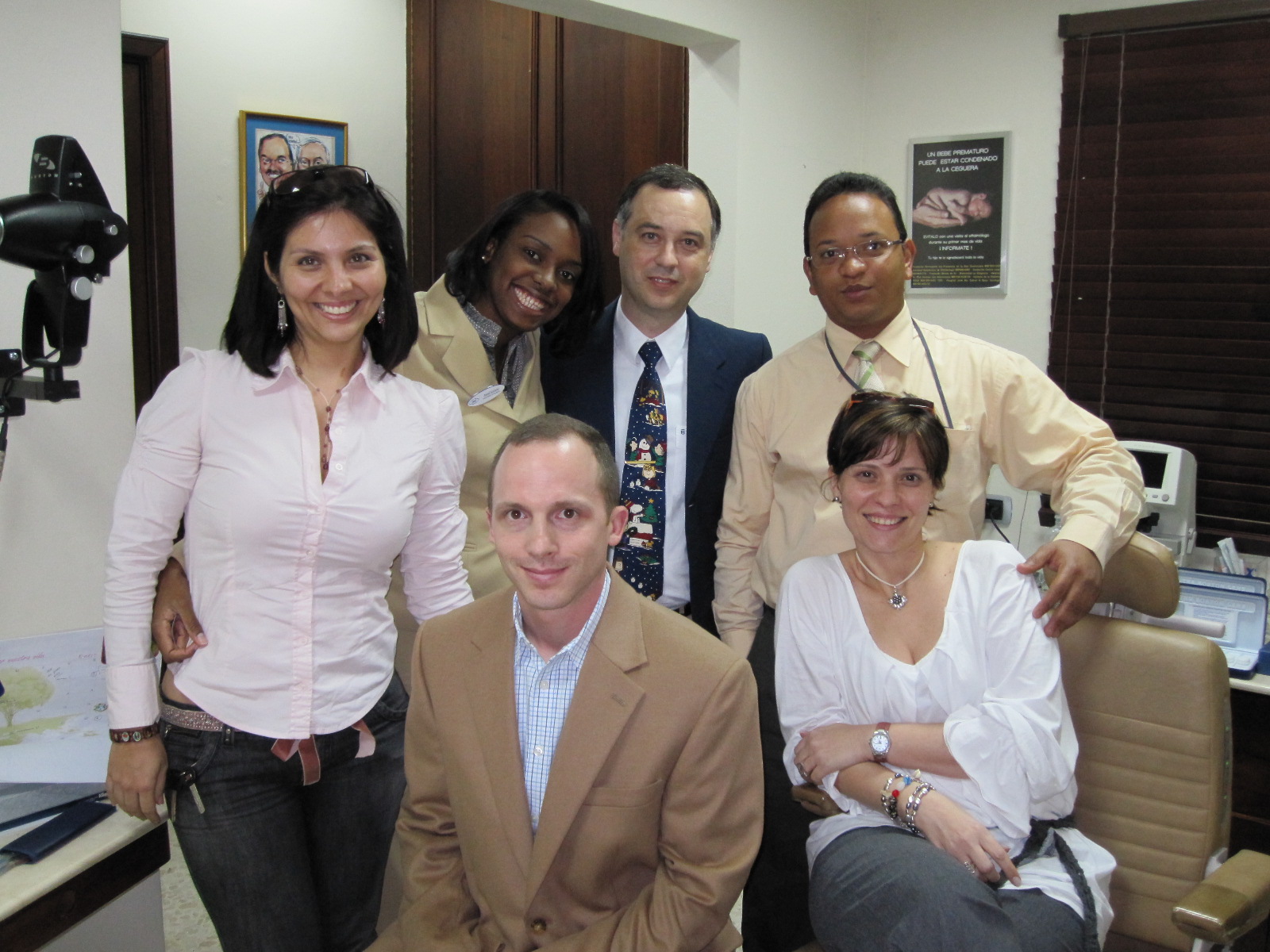
Dominican Republic Trip
-
Scleral Shape
Eef van der Worp and colleagues at Pacific University have done some novel research studying the shape of the sclera. For scleral lens patients this is important because scleral contact lenses needs to conform and fit to the sclera. Dr. van der Worp has concluded that on average the sclera is non-rotationally symmetric. In other words, the sclera is not symmetrically round or toric. This important research will undoubtedly affect future lens design and manufacturing, with a push towards quadrant specific back surface haptics.
-
Intracorneal Ring Segments
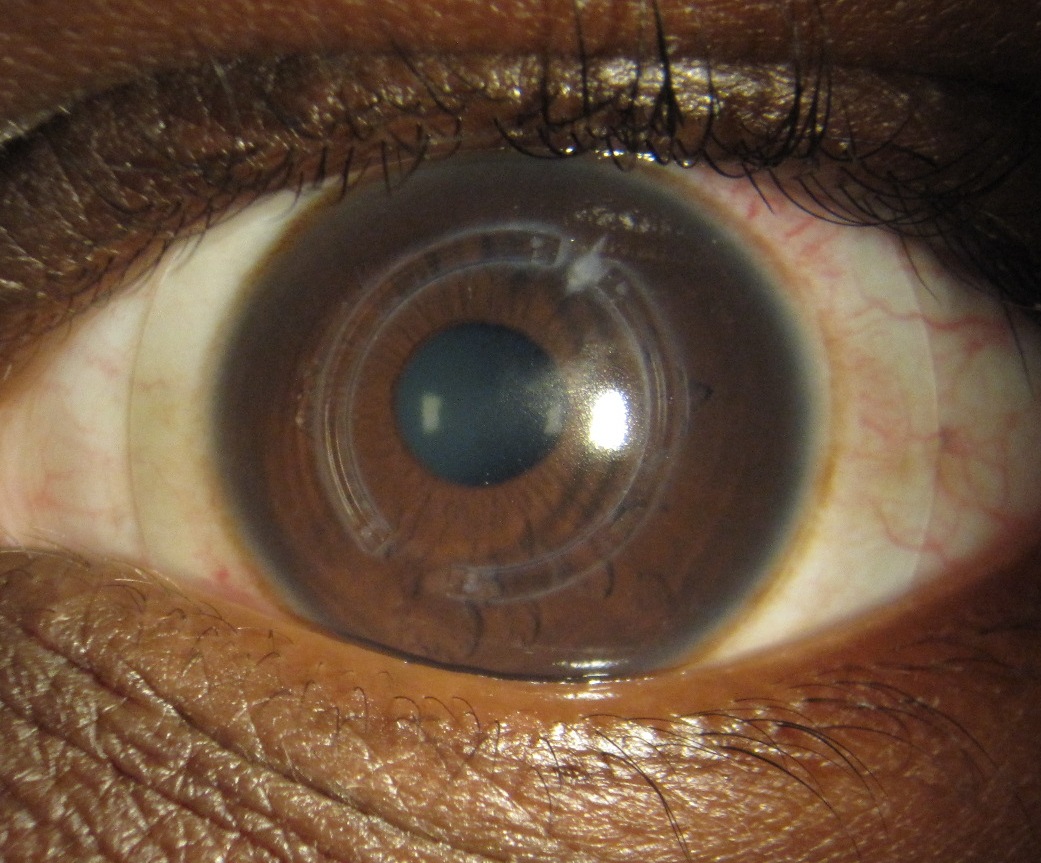
Originally approved for the correction for nearsightedness, Intacs or intracorneal ring segments (ICRS) received a humanitarian exemption by the FDA to be used as a treatment for keratoconus. ICRS are plastic inserts that theoretically have the potential to stabilize the keratoconic cornea and improve vision. From my perspective, most patients still require a rigid gas permeable lens in order to achieve functional vision. In some cases, ICRS can make contact lens fitting more difficult because they can create a mid-peripheral corneal ridge. Scleral contact lenses are ideal for the keratoconic patient who has ICRS because the lens is able to adequately vault over any induced ridges. ICRS can be surgically…
-
Recurrent Keratoconus
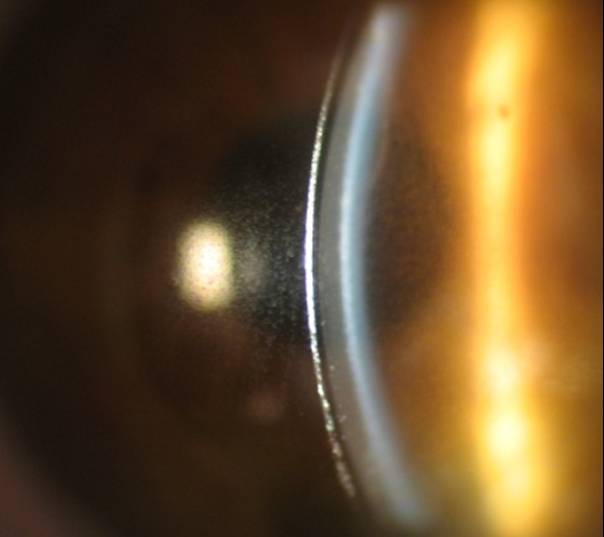
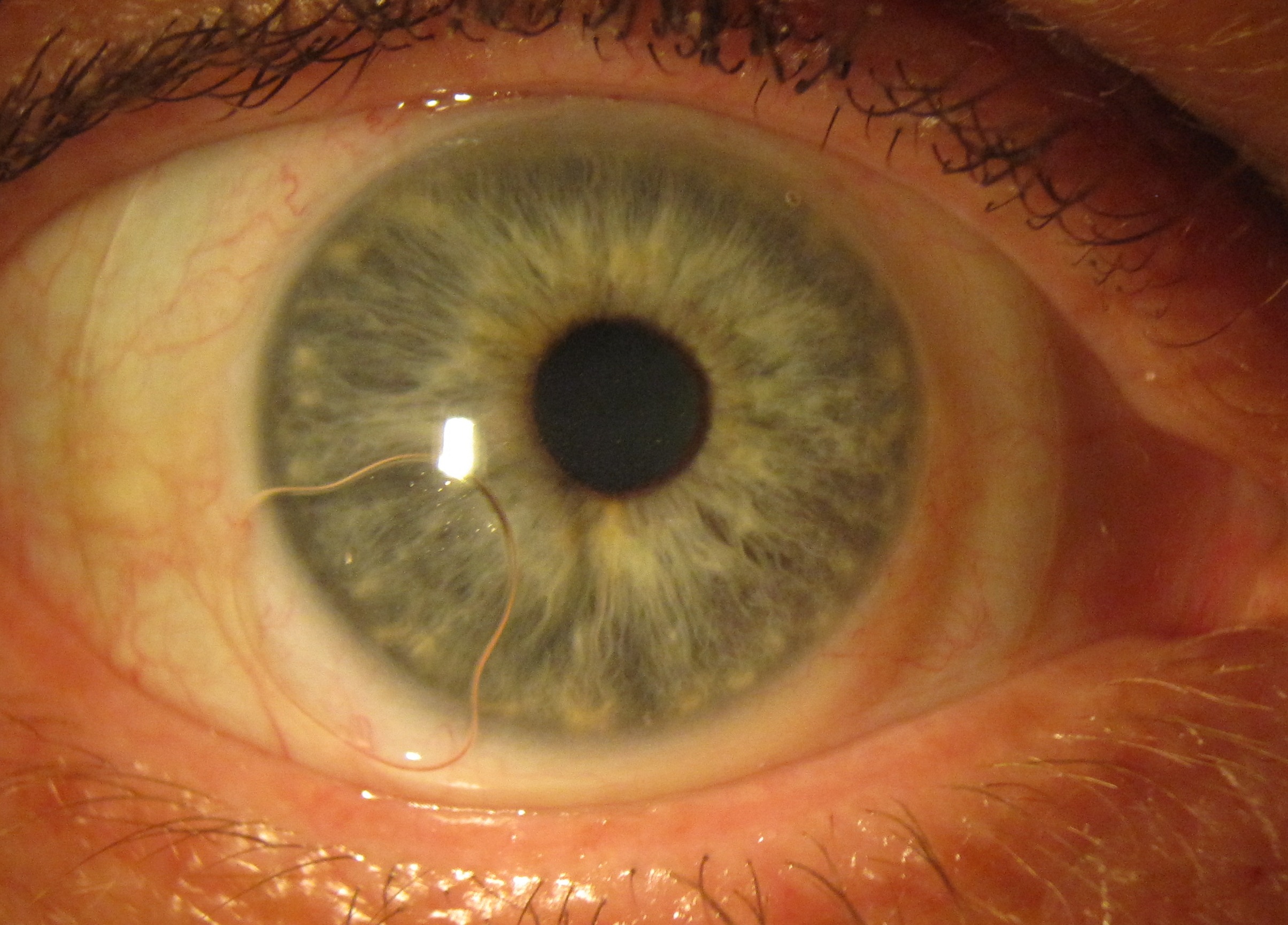
Patients with keratoconus who become contact lens intolerant or have significant corneal scarring may require a corneal transplant to regain visual function. The success rate of a full thickness transplant (penetrating keratoplasty-PK) is approximately 90%. However, patients who have had a PK have a life-long 10% risk of rejection and, in the case of keratoconus, may have recurrence of keratoconus years after the transplant. The photo to the left shows a patient with recurrent keratoconus after a PK who now successfully wears a scleral contact lens.
-
Mucus
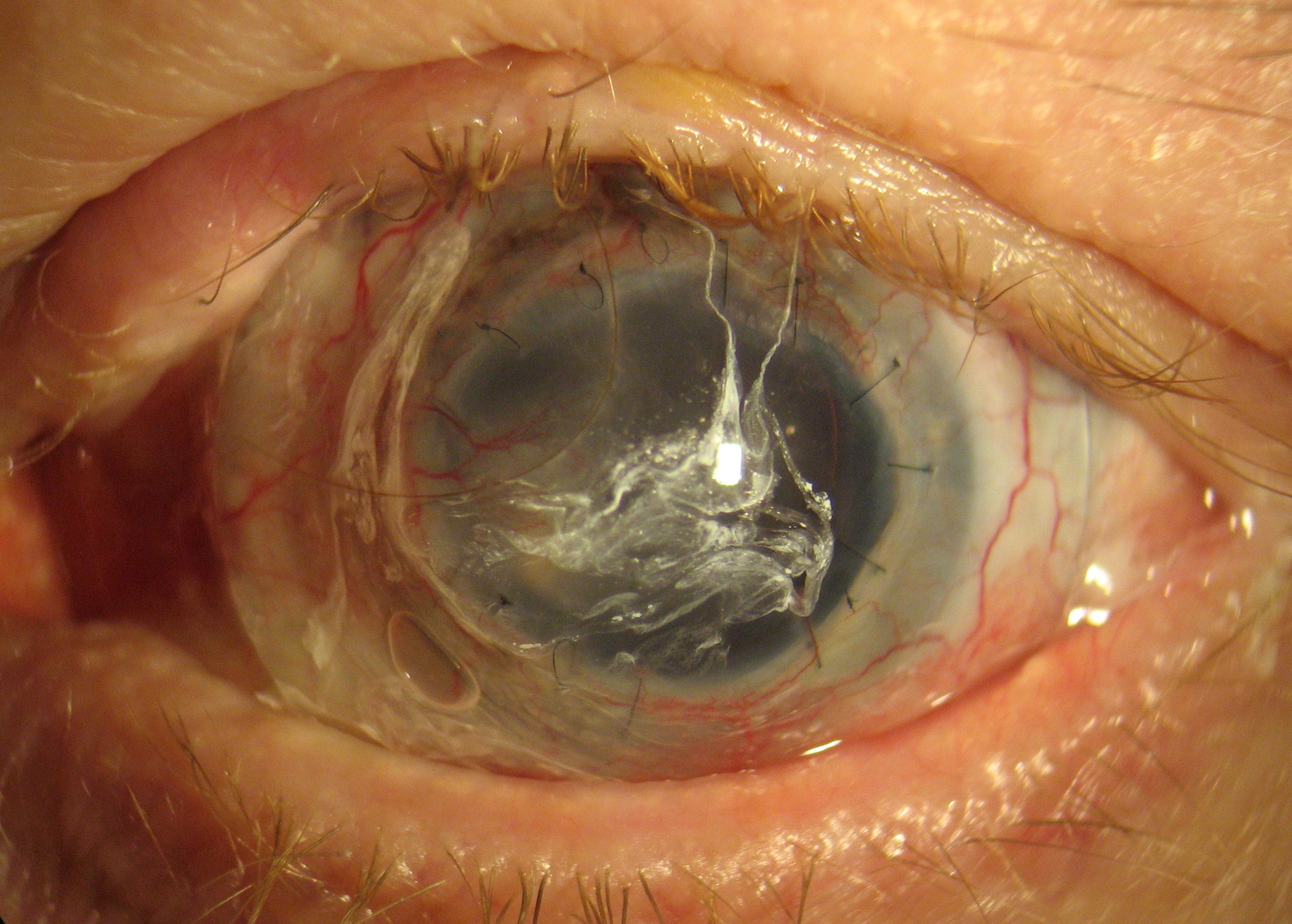
A few of our patients that have severe ocular surface disease (OSD), such as ocular Graft Versus Host Disease, may produce mucus that can interfere with scleral contact lens wear. Off-label use of ophthalmic 10% mucomyst used 1-2 times daily can significantly reduce mucus accumulation.